

![PhotoGrid_1455425349365[1]](https://static.wixstatic.com/media/ea6265_def1a84828d44b64a1df6c35e06c6579~mv2.jpg/v1/fill/w_889,h_889,al_c,q_85,enc_avif,quality_auto/ea6265_def1a84828d44b64a1df6c35e06c6579~mv2.jpg)


My Research Approach
- Oct 13, 2015
- 3 min read
“All art forms – such as sculpture, painting, music, cinema and architecture – are specific modes of thinking. They represent ways of sensory and embodied thought characteristic to the particular artistic medium. These modes of thinking are images of the hand and body, and they exemplify existential knowledge.”
Juahni Pallasmaa
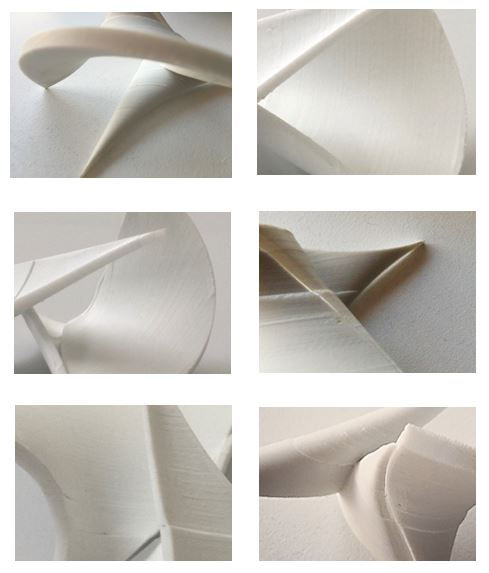
The progression of my research will be piloted through the lens of an interpretivist theoretical perspective. As defined by Crotty (1998), this approach aims to gather knowledge about a situation from the perspective of an individual immersed within the research to explore the meanings through their constructed realities. In coherence with this logic, I am choosing to answer my research question by translating the data which I have interpreted from literature – regarding architecture phenomenology – into digitally derived artefacts. Quintessentially, the knowledge that will be embodied within each artefact at the ends of this process will reflect the purpose of its design intention: as each model emulates a specific theoretical concept of a multi-sensory experience corresponding to a series of definitions outlined by Pallasmaa in: “The Eyes of the Skin: Architecture and the Senses.”
In order to accurately explore the pedagogical nature of this concept, this honours research project will be grounded using principles of an arts-informed research methodology: where both scholarly and artistic endeavors become synergised during the investigation. The praxis of this study should embrace qualitative research methods as it is geared towards obtaining intricate phenomenological details: such as feelings and thought processes, whilst also embracing creative practice methodologies where advanced technologies are used to produce a series of digitally fabricated models to demonstrate different types of multi-sensory experiences. This research method centres around a reflexive thinking practice to determine if digitally derived conditions can affect the phenomenology of space in designed environments. In this sense, the embodied potential residing within each one of the twelve models reflects the purpose of its design intent. Quintessentially, the knowledge embodied within the twelve artefacts produced in this study are open to subjective interpretations analogous to the understanding of knowledge produced from physical abstractions of an art-informed research process.
Architectural theorist, Christian Norberg-schulz infers that the production of artefacts produced in this way within the domain of design necessitates an in-depth phenomenological study into how individuals experience the world. It was therefore the most appropriate decision to implement a constructivist epistemology to conduct this form of qualitative research. This is because it substantiates practice in design as a helpful tool to gain a comprehensive and meaningful understanding of the knowledge embedded within the artefacts that were produced in the research process. According to Dr. Jen Webb, the significance of implementing the constructivist approach is revealed in these models as a result of constant reflexivity between modes of interpretation and logic drawn on external authority that the researcher engages with during the practice stages of this research. Architectural theorist, Christian Norberg-shulz infers that the production of artefacts such as these within the domain of design necessitates an in-depth phenomenological study into how individuals experience the world. Following on from this logic it was therefore the most appropriate choice to implement a constructivist epistemology whilst conducting this form of qualitative research as it substantiates practice in design as a helpful tool to gain an in-depth and meaningful understanding of the knowledge embedded within the twelve models that were produced as outcomes of the experiment in this process.
...Please follow my other accounts for more information on this exciting discussion!!
Catherine K


Comments