

![PhotoGrid_1455425349365[1]](https://static.wixstatic.com/media/ea6265_def1a84828d44b64a1df6c35e06c6579~mv2.jpg/v1/fill/w_889,h_889,al_c,q_85,enc_avif,quality_auto/ea6265_def1a84828d44b64a1df6c35e06c6579~mv2.jpg)


My Methodology Framework
- Oct 14, 2015
- 3 min read
“Design understanding is not manifested when designers stand back from the design process so as to manipulate it as an object, but when they are intrinsically involved in the manner of a player who is being played, when they participate in the play of design ideas and are played by those ideas. Designers exercise design understanding when they become the servants rather than the masters of designing.”
Adrian Snodgrass and Richard Coyne

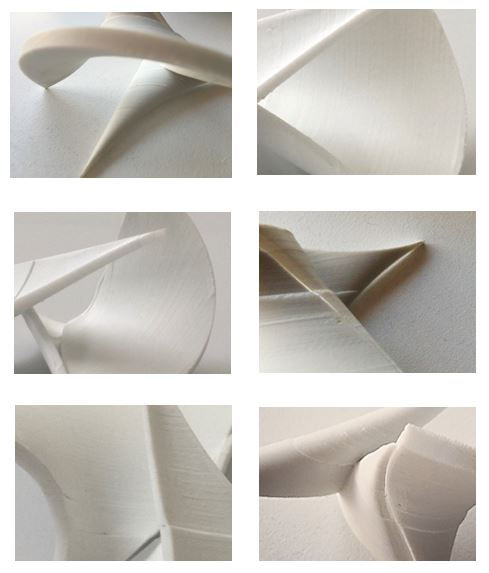
The figure above illustrates the process that was undertaken during the practical explorations of each digitally derived artefact in this project. This cycle was adapted from the list of key processes in Professor Jen Webb’s ‘Creative work and/as Practice: The New Paradigm’ (2008). Webb rationalises these processes as distinctive platforms of intelligible creative practices: because they highlight the intention, purpose, clarity, originality and value of knowledge produced from research informed by the arts.
Analysis of this framework concludes that the practical component of the project constitutes the principles of an arts-informed research approach as the projects seeks to “enhance the understanding of the human condition" through critical reflection and intuitive reflexivity during the experimental and practical processes where explorations into digital fabrications will be conducted to generate the knowledge of the research in the form of architectural installations.
The knowledge generated in this process is embedded within each of the digitally fabricated artefacts, and embodies a transformative potential which inaugurates the subjective experiences of multi-sensory thresholds in architecture as outlined by Juhani Pallasmaa . This transformative potential unveils a deeper level of meaning and insight into the philosophy of phenomenology in the digitally driven culture of the architectural domain – that is, how individuals can experience the spatial qualities of digitally fabricated environments through a diverse array of perceptible interfaces between their body, mind and space. The individual’s understanding of this spatial phenomena is enlightened through their interactions with these models.
Establishing this research structure at the beginning of the project was extremely difficult as I found it hard to establish myself as a researcher in the research process and separate this division from my role as the designer. The two roles carry the responsibility of executing very specific and complex tasks that are geared towards different purposes. As the researcher it is expected that a methodological process should yield statistical or numerical data to prove the results of a research process, however designers generally produce artefacts yield intangible results - however valuable they may be - to the research process. These intangible results should not be undermined as they are key to understanding our own sense of being in the world. This research methodology helped me to unveil a deeper understanding into the philosophy of phenomenology in architecture, and in this process, helped me to form my own beliefs of how to design meaningful spaces in architecture as I established my own design philosophy to follow in my explorations.
This was an intense journey of self-criticism and internal reflection, and I strongly believe that this was the most valuable experience I have ever achieved in my life. The value of knowledge produced in this process has exceeded all of my expectations of what I originally thought possible. I believe that I have achieved something really special in the field of research in arts and design and would love to engage in further discussion for anyone who feels the same. Please email me, or follow my other accounts for more information on my Honours research journey!
Catherine K


Comments